9 novembre 2026 - 15:00 / 17:00
Aix Marseille Université_Faculté ALLSH_29, avenue Robert Schuman_Aix en Provence
Bâtiment Multimédia_Salle de colloque 2
Invitée : Professor Vinita Damodaran_Centre for World Environmental History, University of Sussex
Why does Environmental History matter?
Environmental History, which has been described variously as the interdisciplinary study of the relations of culture, technology, and nature through time, can be understood as the historically documented part of the story of life and death, not of human individuals but of societies and species, in terms of their relationship with the world around them. In this presentation, we argue that the study of the political and the administrative dimensions of empire has occluded the practical material impacts of colonization on people's lives
and on land, animals, fish, forests and other facets of their ecological contexts. Here, with a focus on South Asia, we look at Capitalism, colonialism, and its impact on nature in diHerent environments: forests, deltas, coasts, and responses to environmental
change through colonial scientific interventions in the form of botanic gardens and forestry, the impact of forest reserves on local communities, and the emergence of new knowledges, including understandings of climate history in the colonies. Through this, I
also hope to examine the richness of data sources and the many possibilities of an environmental history of Empire.
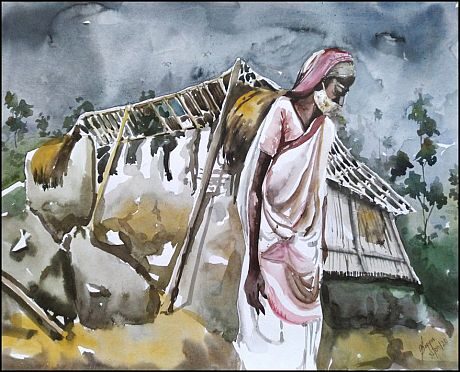
Image credit: Bappaditya Mondal